

Why every car must have an MOT and when to get it done
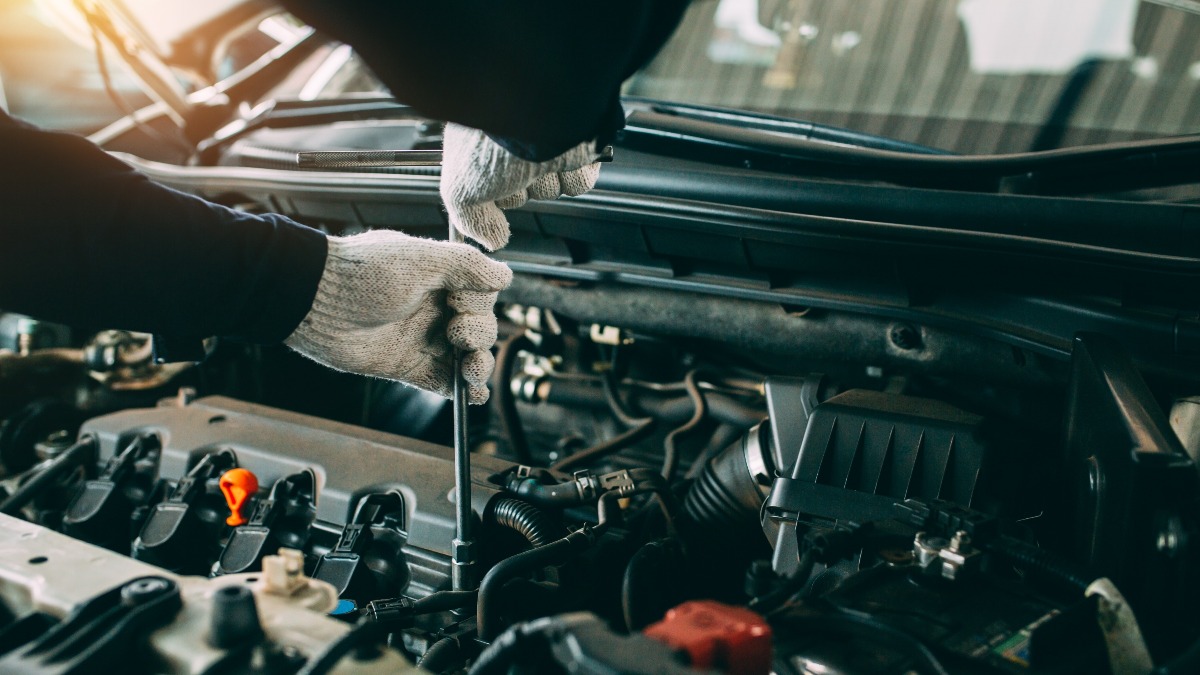
The MOT test, short for Ministry of Transport test, is a mandatory annual check for vehicles over three years old in the UK. This test ensures that vehicles meet the necessary safety and environmental standards to be legally driven on public roads. The importance of an MOT cannot be overstated, as it plays a critical role in road safety and environmental protection.
-
BOOK YOUR MOT
Ensuring road safety
One of the primary reasons for the MOT is to ensure that all vehicles on the road are safe to drive. During an MOT test, certified technicians thoroughly inspect various aspects of the vehicle, including brakes, tires, lights, steering, suspension, and seatbelts. This comprehensive check helps identify potential issues that could compromise the safety of the driver, passengers, and other road users. By addressing these problems promptly, the risk of accidents caused by mechanical failures is significantly reduced.
Environmental protection
The MOT test also includes checks on the vehicle’s emissions to ensure it meets environmental standards. Excessive emissions contribute to air pollution, which has harmful effects on the environment and public health. The test helps in identifying vehicles that produce high levels of pollutants, ensuring they are either repaired or taken off the road. This regulatory measure is crucial in the fight against climate change and helps improve air quality.
Legal compliance and avoiding penalties
Driving a vehicle without a valid MOT certificate is illegal and can result in hefty fines, penalty points on your driving license, and even prosecution. Moreover, an invalid MOT can invalidate your car insurance, leaving you unprotected in the event of an accident. Ensuring your vehicle passes the MOT test each year keeps you compliant with the law and avoids unnecessary legal complications.
When to get an MOT
The first MOT test for a new vehicle is required three years after its initial registration. Subsequent tests must be carried out annually. It is advisable to book your MOT test in advance, up to a month before the current certificate expires, to ensure continuous coverage. Many garages offer reminder services to help you keep track of your MOT due date, preventing any lapse in legal compliance.
Conclusion
The MOT test is a vital requirement for maintaining road safety, protecting the environment, and ensuring legal compliance. Regularly passing the MOT test not only keeps your vehicle in good working condition but also contributes to a safer and cleaner community. Scheduling your MOT test on time and addressing any identified issues promptly will help you avoid penalties and keep your vehicle running smoothly.
BOOK YOUR MOT
-
Do Electric cars have to have an MOT?
Yes, electric cars are required to undergo an MOT test in the UK. While electric vehicles (EVs) have different mechanical components compared to traditional internal combustion engine (ICE) vehicles, they still need to meet safety and roadworthiness standards. Here are some key points regarding MOT tests for electric cars:
Key Points
-
Frequency: Just like conventional cars, electric cars must have their first MOT test three years after their initial registration. After that, they need to be tested annually.
-
Components Tested:
- Brakes: The braking system is thoroughly checked to ensure it is functioning correctly.
- Tyres: Tyre condition and tread depth are inspected to ensure they meet legal requirements.
- Lights: All lights, including headlights, brake lights, and indicators, are tested for proper operation.
- Steering and Suspension: These systems are checked to ensure the car handles safely and comfortably.
- Seatbelts: The condition and functionality of all seatbelts are inspected.
- Structural Integrity: The overall condition of the car's body and chassis is examined for any signs of damage or corrosion that could compromise safety.
-
Exclusions:
- Emissions: Unlike ICE vehicles, electric cars do not have an exhaust system, so emissions testing is not part of the MOT for electric vehicles.
Conclusion
While electric cars have fewer mechanical components than traditional vehicles, they still need to meet specific safety standards to ensure they are roadworthy. The MOT test for electric cars covers all the essential aspects of vehicle safety, excluding emissions. Keeping your electric car in good condition and ensuring it passes the MOT test is crucial for legal compliance and road safety.
-